When embarking on a commercial hardscaping project, several key considerations can significantly influence the outcome. These projects often involve larger scales than residential ones, requiring a more comprehensive approach. Effective planning and execution can lead to functional outdoor spaces that enhance aesthetics, increase property value, and provide lasting durability. In this article, we will explore essential factors that contribute to successful hardscape design and installation in commercial settings.
Understanding Commercial Hardscaping
Commercial hardscaping encompasses various outdoor construction elements such as walkways, patios, retaining walls, and decorative features made from materials like stone and concrete. Unlike residential hardscaping, where personal preferences may lead the design choices, commercial projects must consider factors such as functionality, traffic flow, maintenance requirements, and compliance with local regulations.
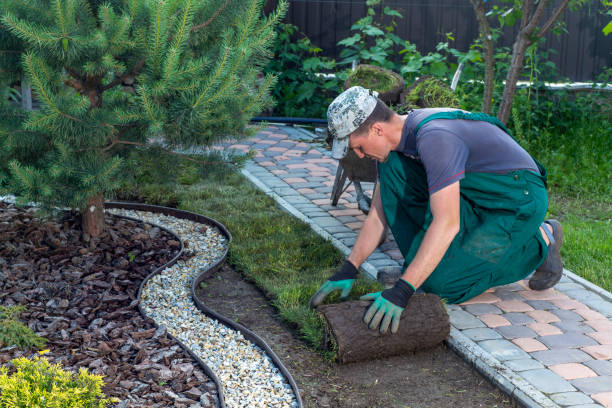
The Importance of Planning
Successful hardscaping begins with thorough planning. This phase includes defining the project scope and objectives while assessing site conditions and existing infrastructure. Each decision made during this stage impacts not only the project's overall success but also its longevity.
For instance, understanding soil types can inform decisions about drainage solutions or material choices for different areas of the property. If heavy rainfall is common in your region, incorporating proper drainage systems into your design helps prevent water pooling that could damage hardscape features over time.
Collaborating with Professionals
Engaging experienced professionals at the outset can streamline the process significantly. Landscape architects or designers who specialize in commercial hardscaping can offer valuable insights into creating functional spaces that align with your vision while adhering to zoning laws and custom hardscape features building codes. Their expertise allows them to foresee potential challenges and suggest solutions before they become problematic during installation.
Additionally, partnering with skilled contractors ensures that installations meet industry standards for quality hardscaping. Professionals understand how to properly install various materials — whether it be pavers for walkways or stone for retaining walls — maximizing both aesthetic appeal and structural integrity.
Choosing the Right Materials
Material selection is a critical component of any commercial hardscaping project. The materials you choose will affect durability, maintenance needs, cost-effectiveness, and visual appeal. Considerations might include:
- Traffic Load: High-traffic areas require robust materials capable of withstanding wear over time. Concrete or high-quality pavers may be better suited for these regions compared to softer materials. Climate: In regions with extreme weather conditions—such as freeze-thaw cycles—selecting frost-resistant stones or permeable pavements can minimize damage caused by temperature fluctuations. Aesthetic Cohesion: Aligning material choices with existing architecture enhances overall harmony. For instance, using natural stone in landscaping adjacent to brick buildings creates a cohesive look.
Understanding local sourcing options can also play a role in both cost management and environmental impact reduction.
Designing Functional Outdoor Spaces
Creating functional outdoor living spaces within commercial properties involves balancing aesthetics with practicality. Businesses are increasingly recognizing the importance of attractive outdoor areas for employee satisfaction or customer engagement. Here are some considerations when designing these spaces:
Multi-Use Areas
Designing multi-functional spaces encourages versatility. An area that serves as a patio during lunch hours might transform into an event space later in the day if designed appropriately. Including features like movable seating arrangements or adaptable landscaping elements facilitates this transition seamlessly.
Connectivity
Ensuring easy connectivity between different sections of a property is vital for enhancing user experience. Clear pathways should guide visitors through complex layouts without confusion while maintaining accessibility standards for all users.
Integration of Greenery
While hardscaping focuses on non-plant elements, integrating greenery is essential for creating inviting environments. Strategically placed planters or green walls soften hard edges and contribute to improved air quality around the premises.
Installation Practices
Once designs are finalized and materials selected, attention shifts to installation techniques — a crucial phase where many projects can falter without proper oversight.
Site Preparation
Proper site preparation sets the foundation for successful installations. This step includes grading the land to ensure adequate drainage while compacting soil layers beneath paved surfaces guarantees stability over time.
If necessary utilities lie underground—like electric lines or irrigation systems—contractors must coordinate carefully before starting excavation work to avoid damaging existing infrastructure.
Following Best Practices
Adhering strictly to manufacturer guidelines during installation prevents premature failures down the road. For example:
- When installing pavers for walkways or patios, ensuring appropriate joint spacing allows room for expansion during temperature changes. Utilizing geogrid reinforcement in retaining wall constructions enhances strength against lateral earth pressures while keeping overall costs manageable.
By following best practices throughout all phases of installation—from preparation through finishing touches—the likelihood of achieving durable results increases significantly.
Maintenance Considerations
Post-installation upkeep is another aspect that cannot be overlooked when planning commercial hardscape projects; regular maintenance extends lifespan considerably while preserving appearance over time.
Routine Inspections
Establishing routine inspections enables property owners to identify potential issues early before significant damage occurs; cracks in concrete surfaces may warrant immediate repair rather than waiting until they worsen further down the line.
Seasonal Care
Seasonal care varies based on climate zones; snow removal practices adopted during winter months may differ substantially across regions—ensuring they align appropriately prevents unnecessary wear on surfaces used frequently throughout colder seasons.
Finally, deploying professional cleaning services periodically helps maintain pristine conditions by removing debris buildup along joints between pavers or ensuring no algae grows on shaded surfaces due to moisture retention issues caused by organic matter accumulation over time.
Conclusion
Navigating through each facet of a commercial hardscaping project requires careful consideration at every level—from initial design concepts through post-installation maintenance strategies—to achieve long-lasting results tailored specifically toward intended uses within respective environments effectively enhancing both functionality alongside aesthetic appeal throughout their lifespans.
By emphasizing planning accuracy alongside quality installations backed up by ongoing upkeep efforts maintains vitality across diverse properties encompassing these essential outdoor features promoting sustainable growth well beyond initial construction phases alone!